Asbestos in Schools: What Parents Must Know
If your kid's school was constructed before the 1980s, there's a solid opportunity asbestos-containing products are still existing, especially in insulation, ceramic tiles, or old pipeline coverings. Although uninterrupted asbestos is commonly best when handled, damaged or degrading materials can release fibers that boost long-term wellness risks, particularly for kids. You're entitled by government legislation to request the institution's asbestos management strategy and evaluation outcomes. More details on acknowledging risks and promoting for security are simply ahead.
Takeaways
- Several colleges constructed or refurbished before the 1980s might contain asbestos in insulation, ceiling tiles, or flooring.
- Asbestos exposure can cause major health concerns, specifically for children, with signs and symptoms often appearing years later on.
- Moms and dads have the legal right to review their institution's asbestos management plan and examination records under federal legislation.
- Harmed or deteriorating structure materials may launch asbestos fibers; report concerns to college officials quickly.
- Only certified specialists must handle asbestos removal or abatement to ensure security and regulative conformity.
Why Is Asbestos Still Found in Schools?
Although asbestos has actually been extensively acknowledged as dangerous for decades, it's still present in numerous colleges because a lot of the nation's educational framework was built before regulations restricted its usage. You'll locate that asbestos was frequently utilized in structure products such as insulation, ceiling ceramic tiles, and flooring ceramic tiles-– these are understood as tradition materials. Lots of institutions have not removed these products because of the high expense and intricacy of massive reduction. In addition, governing spaces have added to the ongoing existence of asbestos. While existing legislations call for institutions to manage and keep track of asbestos-containing materials, they do not always mandate elimination unless the products are damaged or disrupted. Because of this, asbestos stays in educational facilities, demanding continuous management and awareness to minimize prospective dangers to students and personnel.
Just How Does Asbestos Exposure Impact Kid's Health?
You must recognize that asbestos direct exposure can bring about serious lasting wellness risks, consisting of cancers cells such as mesothelioma and lung cancer cells. Kid's respiratory systems are still creating, that makes them much more vulnerable to harm from breathed in asbestos fibers. Scientific researches indicate that early-life exposure enhances the probability of disease manifesting later in life.
Long-Term Health Threats
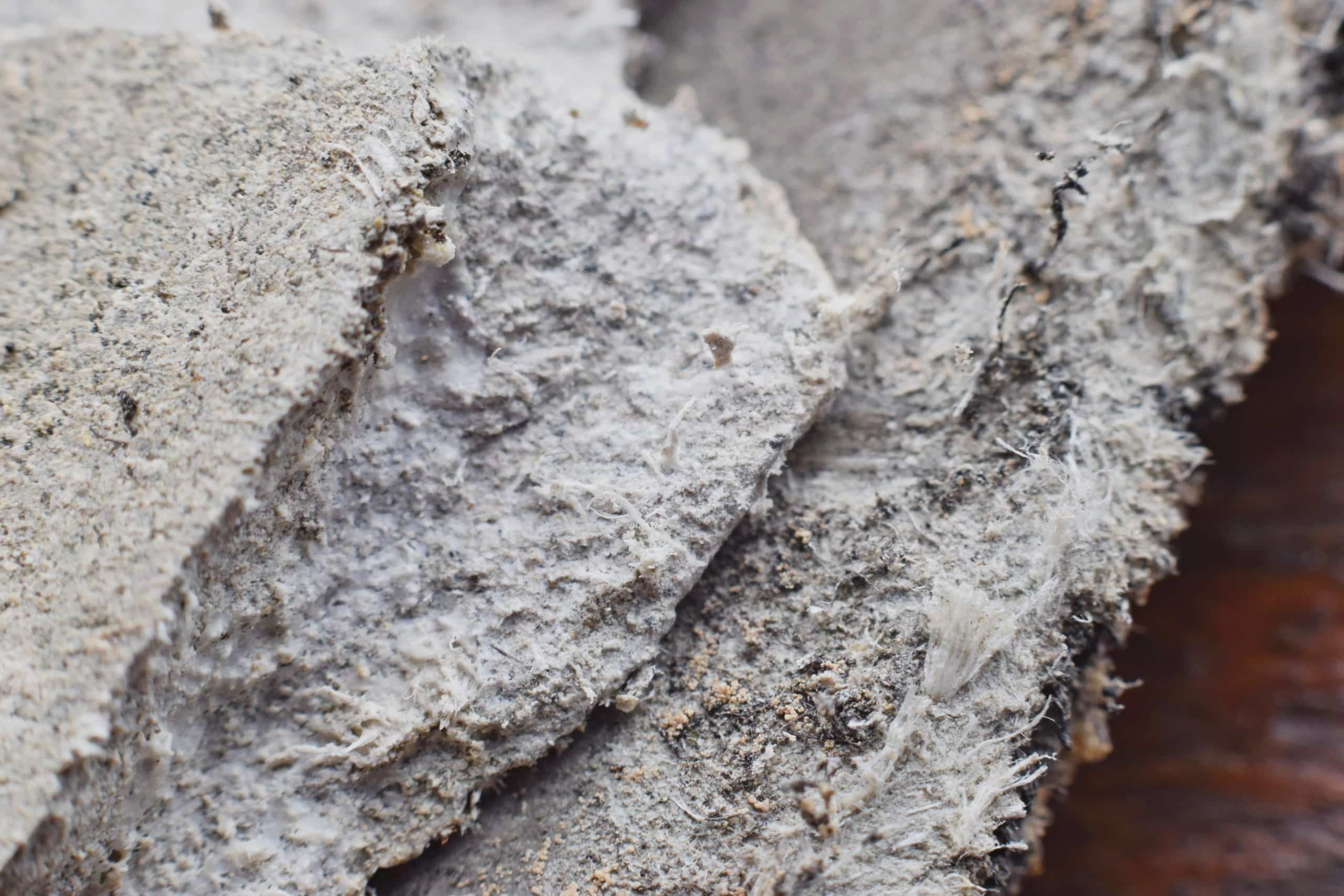
When children are subjected to asbestos fibers, they go to increased risk for establishing severe long-lasting health issue. Asbestos exposure can bring about chronic swelling in lung tissue, which might not produce prompt signs and symptoms yet can linger for decades. You must know that asbestos-related illness, such as mesothelioma cancer and asbestosis, usually have actually extended latency durations-– sometimes 20 to 50 years— in between first exposure and disease beginning. This indicates wellness impacts may not emerge until well right into adulthood. Scientific research studies reveal that kids's developing bodies are particularly vulnerable to cellular damage from asbestos fibers, which can install in tissues and set off continuous biological feedbacks. Due to these lengthy latency durations, very early direct exposure significantly enhances the lifetime threat for severe wellness end results, also if the direct exposure was short or unrecognized. https://winchmorehillasbestosremoval.co.uk
Respiratory System System Vulnerability
Given the extended latency of asbestos-related illnesses, it's essential to understand just how kids's respiratory systems respond to asbestos direct exposure. Children's creating lungs are more vulnerable to breathed in fibers because their respiratory defenses aren't completely grown. When you take into consideration immune sensitivity, youngsters's immune systems can panic to international fragments, enhancing inflammation and cells damages. Researches reveal that inhaled asbestos fibers can lodge deep within the lung cells, activating persistent irritation and scarring with time.
You ought to know that these organic aspects indicate youngsters encounter a greater threat of diseases like asbestosis, lung cancer cells, and mesothelioma compared to adults with similar exposure. Also low degrees of asbestos may initiate unsafe cellular modifications in younger people, making rigorous avoidance and punctual remediation in institutions definitely essential.
Which Sorts Of College Structures Are Most in danger?
Although asbestos use in construction has substantially declined because the late 20th century, institutions constructed or refurbished prior to the 1980s continue to be at the greatest risk for asbestos-containing products. If you're concerned concerning your youngster's college, it's crucial to recognize which kinds of buildings are most at risk. Evidence shows certain structural kinds go to higher threat because of historical construction techniques:
- Older buildings: Schools put up or updated prior to the 1980s regularly utilized asbestos in insulation, flooring ceramic tiles, and ceiling panels.
- Portable class: Numerous temporary or modular class made before laws tightened up may contain asbestos, particularly in wallboard and floor covering.
- Facilities with limited renovations: Buildings that haven't undergone current upgrades might maintain initial asbestos materials, increasing possible exposure if disrupted.
Comprehending these risk elements aids you assess possible risks efficiently.
Indication Your Youngster's School May Have Asbestos
You'll want to focus if your youngster's school has visibly maturing infrastructure, such as weakening ceilings or old pipe insulation, as these are usual locations for legacy asbestos. Inexplicable upkeep locations that are often restricted or under fixing might likewise suggest asbestos monitoring or remediation initiatives. https://winchmorehillasbestosremoval.co.uk/services/garage-shed-roof-removal.html Recognizing these indication can aid you make educated decisions concerning your youngster's safety.
Aging Building Infrastructure
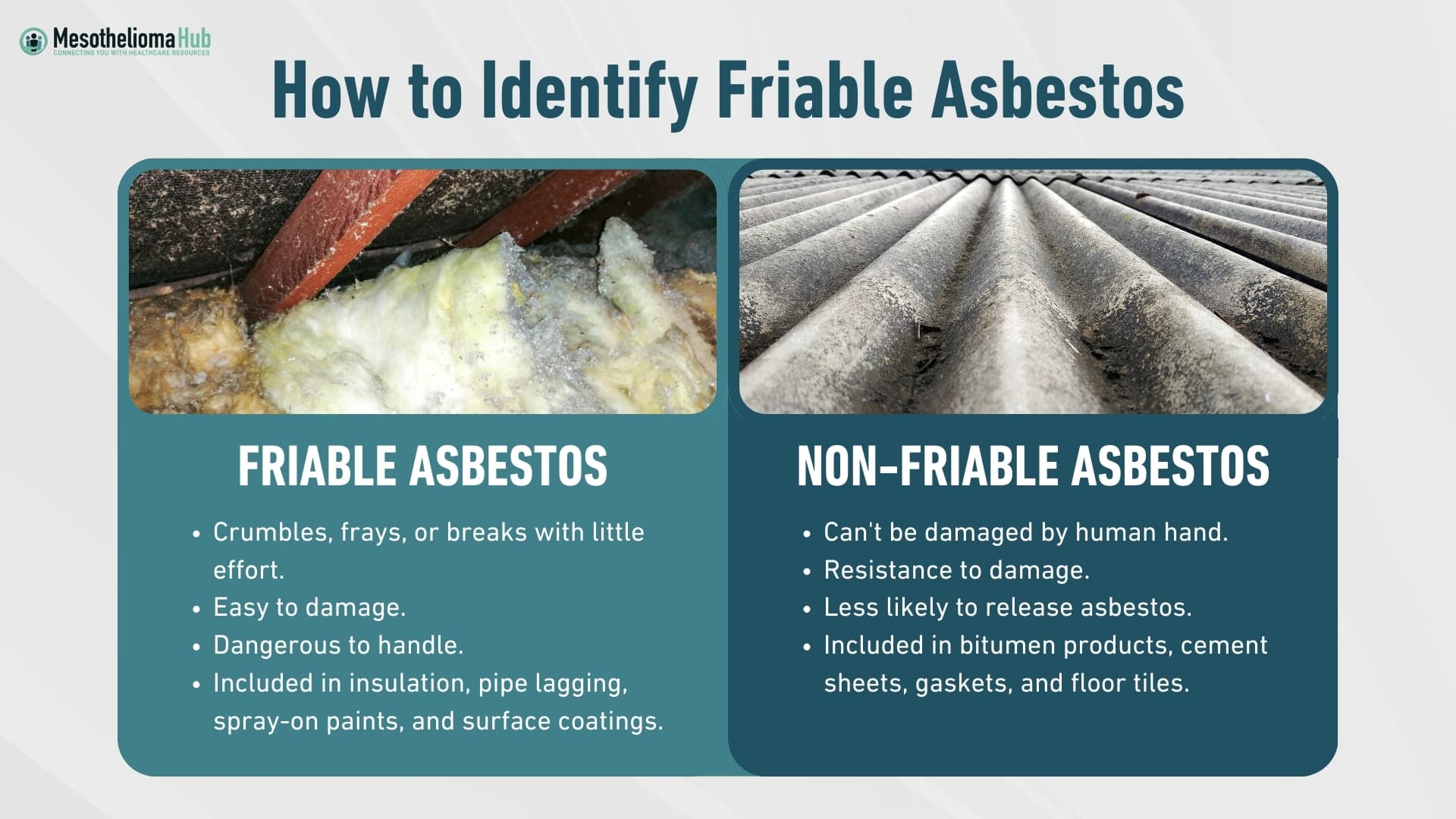
Also if a school appears properly maintained on the surface, aging infrastructure can still nurture concealed hazards like asbestos. Structures built before the 1980s frequently utilized asbestos-containing products in insulation, floor tiles, and ceiling panels. https://winchmorehillasbestosremoval.co.uk/services/soft-strip-demolition.html With time, delayed maintenance can raise the risk of these materials coming to be damaged or friable, launching asbestos fibers right into the air. You ought to know details caution signs that may indicate concerns related to maturing infrastructure:
- Noticeable deterioration: Cracks, peeling off paint, or busted tiles might suggest deteriorating materials.
- Frequent repairs: Recurring jumble can indicate underlying delayed upkeep, raising concerns regarding asbestos direct exposure.
- Original building and construction day: Schools developed prior to asbestos restrictions are more probable to include asbestos in architectural parts.
Keep informed regarding your kid's college center age and maintenance methods.
Unusual Maintenance Locations
Beyond the noticeable indicators of aging framework, particular maintenance activities within an institution might indicate the presence of asbestos, especially in older structures. If you observe covert closets or spaces that are seldom accessed, these might house asbestos-containing materials or equipment. Schools frequently limit accessibility to such locations to reduce disturbance and lower exposure threat. You might see warning indicators, locked doors, or maintenance staff wearing protective gear when getting in these spaces. In addition, unexplained closures of hallways or classrooms for extended upkeep can indicate asbestos remediation job. While limited accessibility is a security measure, it is essential to ask institution officials concerning the factor behind these safety measures. Recognizing the objective of concealed closets and limited access aids you evaluate possible asbestos risks within your child's college setting.
Just How Should Schools Manage Asbestos Safely?
Although asbestos-containing materials are often discovered in older institution buildings, safe management depend upon stringent adherence to government guidelines such as the Asbestos Risk Emergency Response Act (AHERA). You'll need to know that schools should develop and preserve thorough asbestos administration intends to reduce risks. These plans lay out procedures for keeping an eye on, managing, and, when required, asbestos reduction. Proof reveals that uninterrupted asbestos is commonly best left intact and monitored regularly as opposed to eliminated carelessly.
Below's how colleges should handle asbestos securely:
- Conduct normal examinations **** to examine the condition of asbestos-containing products and document searchings for.
- Apply a management plan that provides clear protocols for tracking, upkeep, and potential action actions.
- Lug out asbestos abatement only with qualified professionals, complying with all regulatory requirements, to avoid hazardous direct exposure.
What Rights Do Moms And Dads Have to Asbestos Information?
Exactly how can you, as a moms and dad, make certain you're informed regarding asbestos threats in your kid's institution? Federal regulation, specifically the Asbestos Threat Emergency Reaction Act (AHERA), gives you clear adult rights relating to asbestos information accessibility. Colleges are called for to preserve an updated asbestos monitoring plan, which you have the right to examine upon demand. This strategy includes evaluation reports, reaction activities, and notices of any asbestos activity. Furthermore, colleges must alert moms and dads, educators, and personnel every year about the schedule of this information. You're entitled to recognize if asbestos-containing products exist and how the institution manages them. By exercising your adult rights, you can advertise openness and notified decision-making regarding your child's safety and security in the instructional setting.
What to Do If You Suspect Asbestos at School
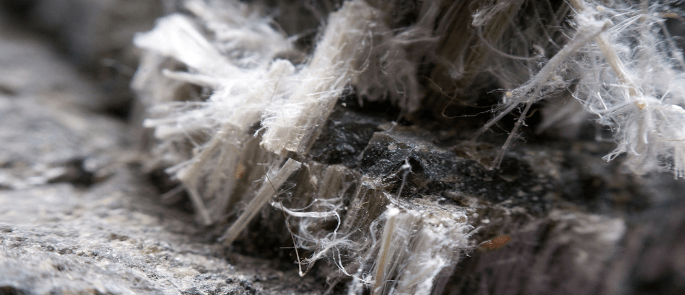
If you observe indicators of potential asbestos, such as damaged ceiling floor tiles or falling apart insulation, it's crucial to resolve your worries without delay and comply with established procedures. Don't attempt to handle or disrupt the product on your own, as this can enhance direct exposure threat. Instead, take these evidence-based actions:
- Report Observations: Instantly notify college authorities and demand documentation of the institution's asbestos management strategy. Include your moms and dad educator organization to ensure openness.
- Request Examination: Request for an accredited asbestos professional to perform a technical assessment. Institutions are called for by law to comply with strict treatments for examination and remediation.
- Think About Lawsuit: If the institution stops working to respond or goes against regulations, seek advice from lawful advice. Lawful action can assure compliance and shield trainee health and wellness under government asbestos security laws.
Just How Can Moms And Dads Advocate for Asbestos Security?
With positive engagement with school management and regional education authorities, parents can play an essential duty in advertising asbestos safety. https://winchmorehillasbestosremoval.co.uk/services/refurbishment-demolition-survey.html You'll desire to take advantage of evidence-based campaigning for approaches, such as requesting routine asbestos examinations and guaranteeing public access to administration plans. Community applications can effectively show cumulative issue and punctual official feedbacks. In addition, advocating for PTA training on asbestos recognition can equip moms and dad groups with technical knowledge to recognize risks and interact successfully with officials.
Campaigning for Technique
Prospective Effect
Area requests
Mobilizes collective activity, increases urgency
PTA training
Develops technological capacity, makes it possible for dialogue
Official inquiries
Assurances conformity with security policies
Remaining notified equips you to support for safer institutions while cultivating a collective relationship with educators and policymakers.
Where to Obtain Help and Resources Regarding Asbestos in Schools
When you're looking for reliable details or assistance relating to asbestos in colleges, it's vital to understand where to transform for precise assistance. Finding your means via regulations and understanding your legal rights can be complex, however a number of respectable sources are offered to assist you. Utilize these choices to make sure you're making informed decisions for your youngster's safety and security:
- Neighborhood hotlines: These provide straight access to neighborhood specialists who can address concerns regarding asbestos administration and reporting procedures in institutions.
- Government web sites: Agencies like the EPA and your state's division of wellness release up-to-date, evidence-based assistance on asbestos laws and safe practices.
- Legal clinics: If you think your issues aren't being addressed, legal centers give cost-free or low-priced examinations on your civil liberties, school policy conformity, and possible following actions.
Frequently Asked Concerns
Can Asbestos on College Premises Affect Nearby Homes or Neighborhoods?
Yes, asbestos on college premises can impact nearby homes or areas if it's disturbed. When asbestos-containing products break down, airborne fibers might take a trip past school home, especially throughout building or demolition. Soil migration can also take place if asbestos bits enter the ground and are transported by wind, water, or human task. Studies show that both air-borne fibers and soil movement present health and wellness risks, so monitoring and control are necessary to protect against exposure.
Are College Buses or Playgrounds in danger for Asbestos Contamination?
About 700,000 school buses run daily in the united state, but you shouldn't stress— contemporary buses hardly ever utilize asbestos-containing bus insulation. Nonetheless, older versions built prior to the 1980s may still position a danger if insulation is harmed. For play grounds, most contemporary playground emerging materials are asbestos-free, yet older rubber floor coverings or asphalt can potentially have asbestos fibers if set up decades back. Routine evaluations and material screening help maintain these areas secure for youngsters.
How Is Asbestos Detected and Checked in College Environments?
You'll find that asbestos is found in schools using specialized techniques such as air surveillance and soil sampling. Air monitoring captures airborne fibers, which are then evaluated under a microscopic lense to assess contamination levels. Dirt sampling helps determine asbestos visibility in outdoor areas. https://winchmorehillasbestosremoval.co.uk/services/artex-removal.html Recognized professionals collect and evaluate these examples following strict protocols, making certain outcomes are trusted. These evidence-based procedures help identify if removal or additional security measures are required for students and staff.
What Training Do School Personnel Receive Regarding Asbestos Security?
School personnel receive specialized training on asbestos safety and security, concentrating on determining asbestos-containing materials, correct coverage procedures, and reducing disturbance. You're instructed methods for dealing with prospective exposure risks and join emergency situation drills mimicing asbestos events. Personnel training covers governing compliance, personal safety devices usage, and interaction with authorities. This evidence-based technique warranties you recognize your role in keeping a risk-free setting and responding efficiently to any type of asbestos-related emergencies within the institution.
Are College Uniforms or Products Ever Contaminated With Asbestos?
You may think your youngster's old uniforms or storage space boxes are ticking asbestos time bombs, but that's a wild exaggeration. Proof shows it's extremely uncommon for college uniforms or products to contain asbestos, particularly today. In the past, some imported items or products made prior to rigorous regulations can have included trace amounts, but modern criteria make contamination extremely unlikely. Always inspect labels and sourcing for satisfaction, yet don't panic needlessly.